About one in six children in the U.S. is living with a developmental disability. One in 68 has been identified on the autism spectrum. With the right set of supports, people with intellectual/developmental disabilities can live in, work in, contribute to and participate in the community. This happens over and over again – every time it does, society is the better for it. That’s what we do.
Our services support each individual to:
Live and receive services in the community of their choice
Build and enjoy social connections through productive community participation
Deepen relationships with friends, family and others in their lives
Direct their own lives and experience life to their fullest potential
Meet Elizabeth
Elizabeth has lived at our Vernon residence for almost 20 years. All her neighbors know Elizabeth and everywhere she goes, there is a chorus of Hi Elizabeth! At home, it is the same. Returning each day from her day program, Elizabeth shouts out, Hi to each of her housemates and staff members. Elizabeth is eager to learn and practice her self-care skills but when she hears music, Elizabeth stops all activity to dance.
Developmental Disabilities Services
Residential
Residential Services provide a range of housing to people with intellectual/developmental disabilities. Each home offers support services providing people access to medical, nursing, psychological, nutritional, and employment services. Our services are focused on the person’s overall health and safety, as well as on their emotional well-being. This holistic approach is tailored to every person’s unique characteristics in supporting each person as an individual.
Day Habilitation
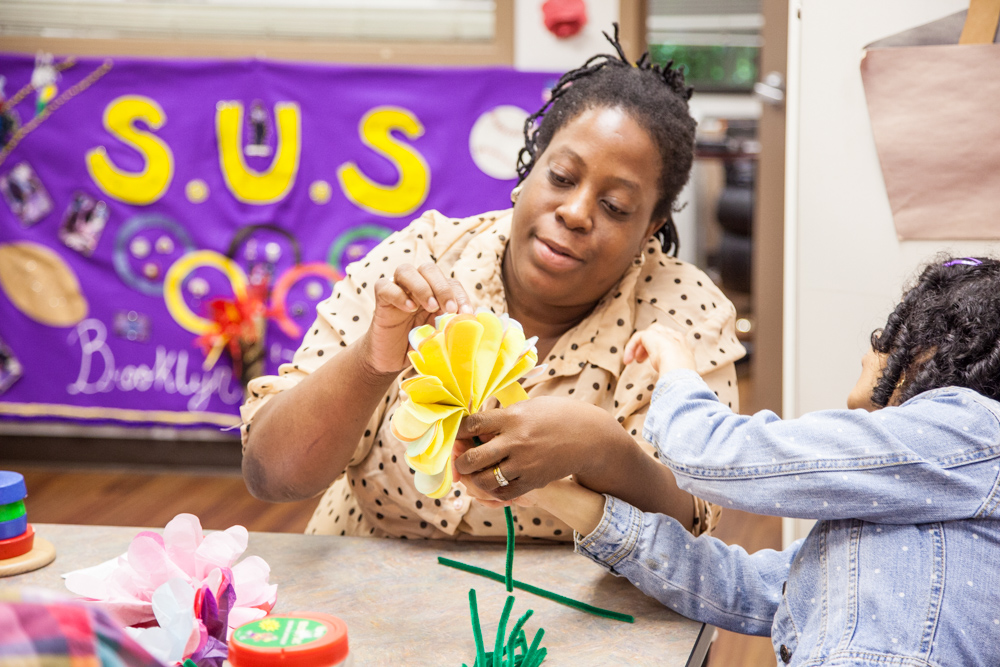
Our Day Habilitation programs reduce the barriers to community inclusion by building each individual’s practical skills. These include communication and self-preservation, community awareness, independent living and pre-vocational skills by volunteering in the community. For more details please contact Jajaida Gonzalez at jgonzalez@sus.org or call 212 633-6900 ext. 2318.
Community Habilitation
Community Habilitation encourages people with intellectual/developmental disabilities who don’t live in S:US homes to engage in their community. Community Habilitation staff assist persons served to strengthen their social skills and aid with independent living activities such as cooking, travel and household upkeep. With this model, we assist the person to acquire the necessary life skills to be successful as a contributing member of society. Additionally, we help prepare the person to gain the skills needed for greater independence.
Employment
Employment opportunities allow people with intellectual/developmental disabilities, as assisted by job developers and job coaches, to prepare for, secure, and be successful in their work/volunteer environments. Supported Employment (SEMP) provides support to assist people to obtain and maintain paid competitive jobs in the community. For more details please contact Jajaida Gonzalez at jgonzalez@sus.org or call 212 633-6900 ext. 2318.
Self-Direction
Self-Direction empowers people with intellectual/developmental disabilities and their family to determine, with a great amount of flexibility, the supports and services that best fit their needs. Individuals who self-direct will be assisted by a circle of support, a group of people who advocates for the person’s best interests and supports their success. For more details please contact Johanna Cepin at jcepin@sus.org or call 212 633-6900 ext. 5397.
IPSIDD (Independent Practitioner Services for Individuals with Intellectual/Developmental Disabilities)
Behavioral Health Medical Services of New York, P.C. is contracted with S:US to deliver skilled behavioral health clinical services including mental health, speech, occupational, and physical therapies to people with intellectual/developmental disabilities within group residences, private homes, at day programs, or other convenient locations. For more details about IPSIDD (Independent Practitioner Services for Individuals with Intellectual/Developmental Disabilities) services or to submit a referral, please contact IPSIDD@sus.org or 929-381-7990.
Applied Behavior Analysis
ABA (Applied Behavior Analysis) is used to teach appropriate communication and social skills that decrease the frequency of challenging behaviors that limit opportunities to engage in the community. The application of the principles of this evidence-based practice has led to a decrease in the use of psychotropic medication, a decrease in emergency room visits and hospitalizations, and greater independence for people served. For more details please contact Laurie Steffens at LSteffens@sus.org or call 917-471-2170.
Grief Counseling
Grief Counseling is offered in individual or group settings to people supported and the staff who work with them. Experiential activities are employed to help give expression to grief.
S:US Championships
For individuals residing with S:US and attending our day programs, group athletics and competition – medals and all – provide a terrific outlet. The S:US Championships and Family Fun Day is held each year in the fall.
Additional Services
S:US provides integrated services designed to meet every stage of a person’s journey toward stability and success.
Housing
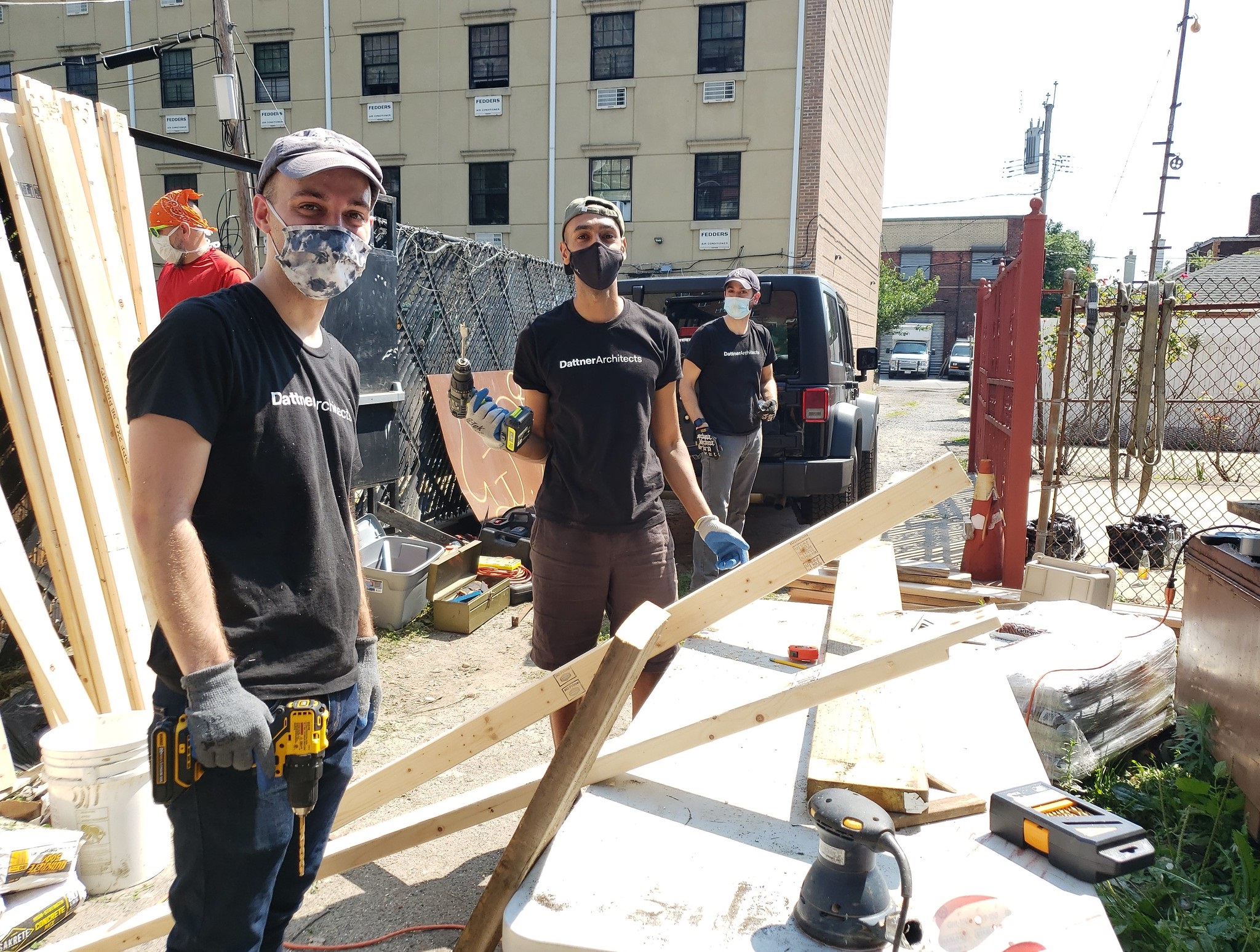
More than 4,000 housing units in Brooklyn, Queens, Manhattan and the Bronx are owned, leased and managed by S:US. An additional 1,500+ units are in development.
Without a home, there is no hope.
Behavioral Health
Sixty to eighty percent of people living with mental illness are unemployed.
People are being incarcerated because of mental illness.
That needs to change.
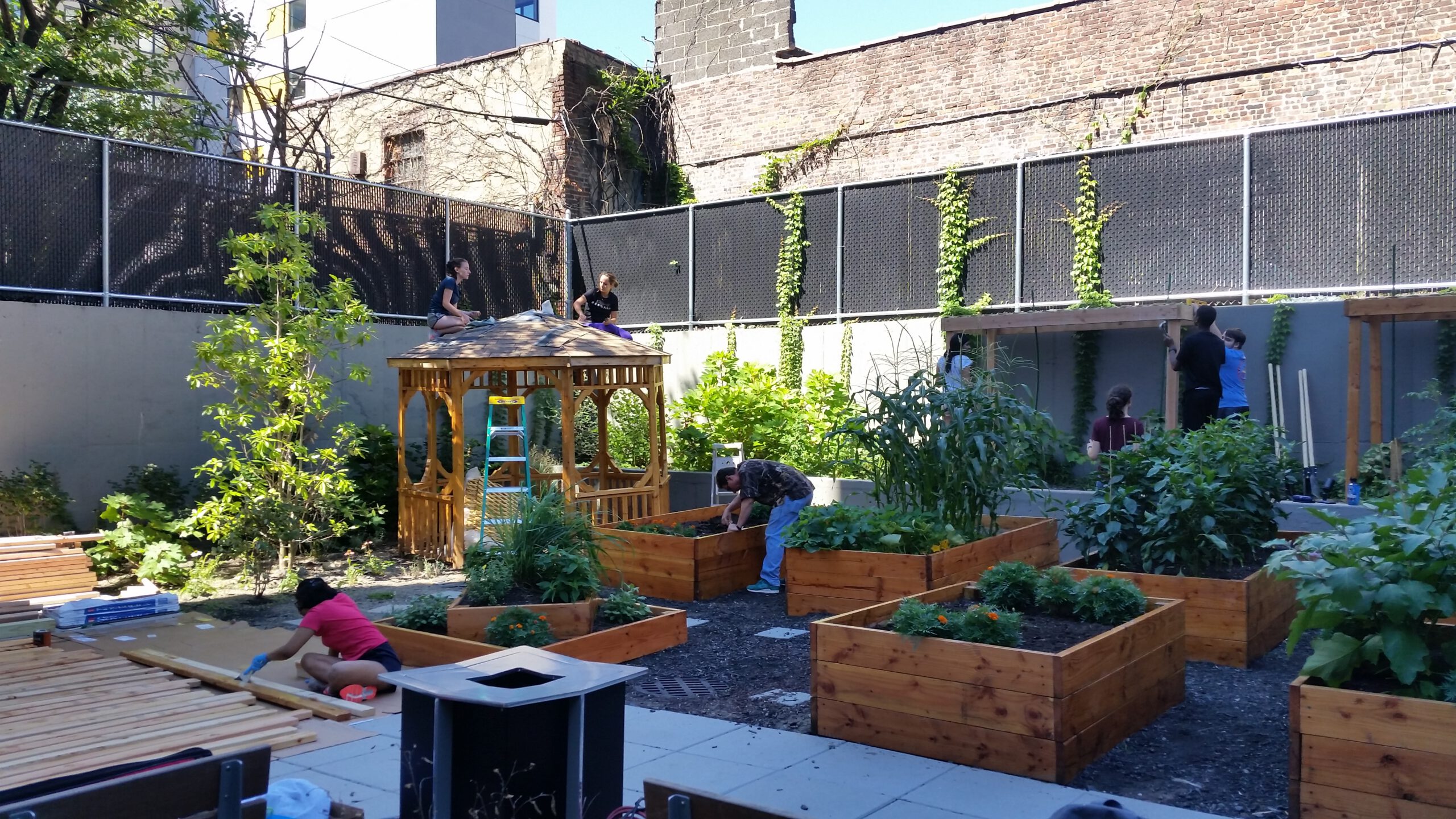
Community Food Security
S:US Urban Farms uses horticulture to improve wellness and help participants achieve their goals.
Nurturing individuals in rewarding ways.

Homelessness
More than 56,000 people live in the NYC shelter system.
Almost half are children. S:US is turning back the tide.
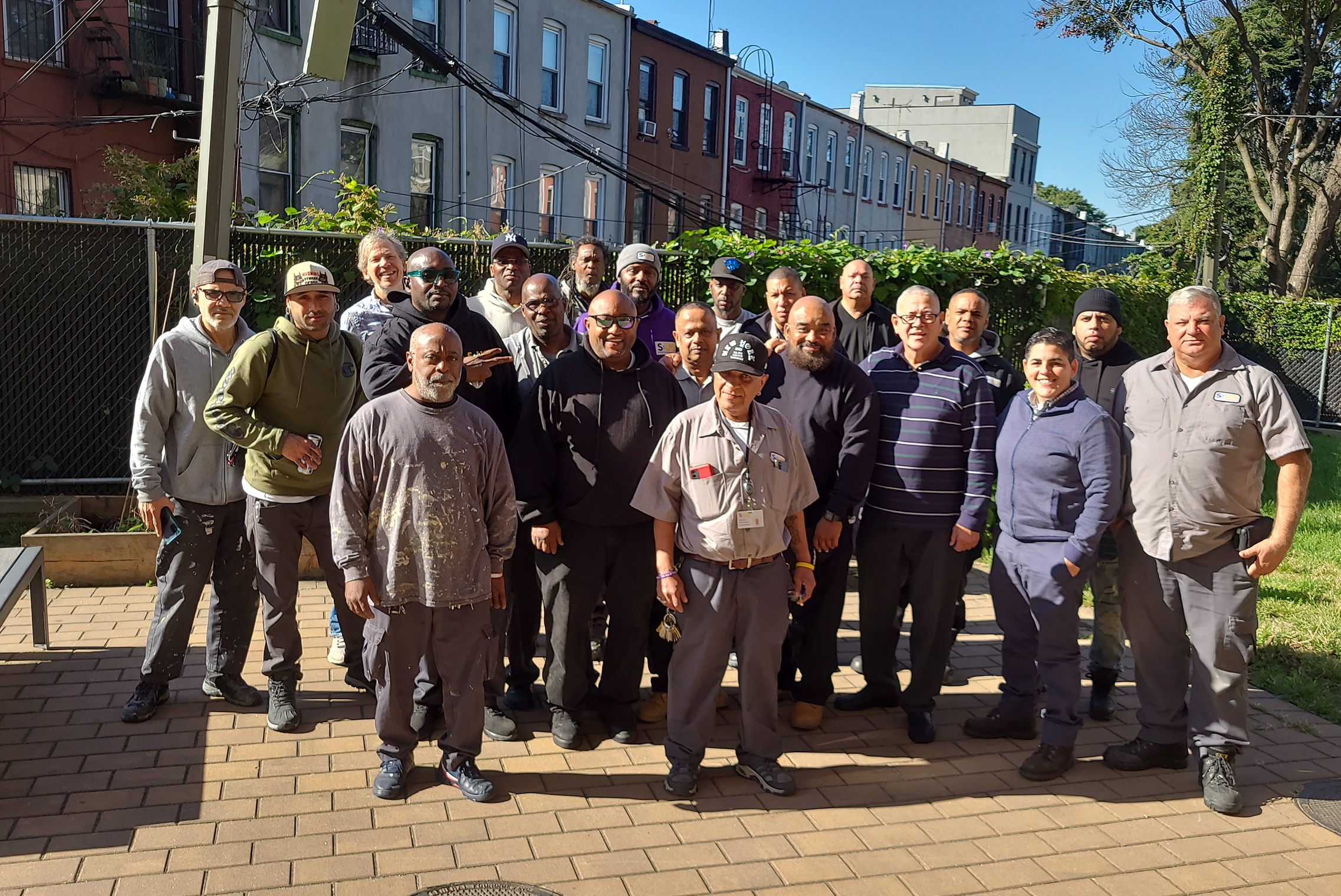
Veterans
New York City has had the highest number of homeless veterans in New York State, and has reduced veteran homelessness by nearly 90% since 2011.
They deserve our best fight.